

Does Hard Water Cause Hair Fall? The Truth Behind Your Daily Shower
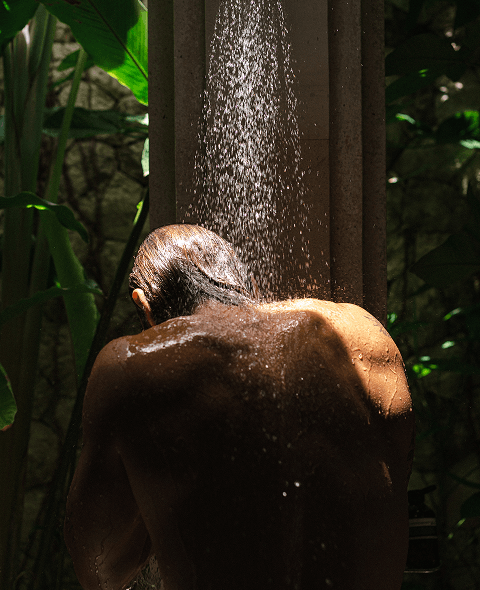
Hair fall is one of the most searched beauty and wellness concerns in India. Every day, thousands of people search for terms such as "hair fall reasons," "why is my hair falling," and "does hard water cause hair loss." While factors such as genetics, hormones, stress, nutrition, and lifestyle are commonly discussed, one factor often goes unnoticed: the quality of the water we use every day.
India is among the countries with widespread hard water exposure. In many urban cities including Chennai, Bangalore, Hyderabad, Delhi NCR, and Pune, households rely on water sources that contain elevated levels of dissolved minerals such as calcium and magnesium. These minerals are what make water "hard." While hard water is generally safe for consumption, its long-term effects on hair and scalp health have become an increasing concern among dermatologists and hair-care professionals.
How Hard Water Affects Your Hair
Hard water leaves behind mineral deposits on the hair shaft every time you shower. Over time, these deposits can accumulate and create a coating around the hair strand. This build-up can make hair feel rougher, look duller, and become more difficult to manage. Research published in the International Journal of Trichology found that repeated washing with hard water may increase friction between hair fibres, potentially making strands more susceptible to breakage. This distinction is important because many people mistake hair breakage for actual hair loss.
When hair becomes brittle due to mineral build-up, it tends to snap more easily during brushing, styling, or even while washing. As a result, people often notice more hair on their pillow, in the shower drain, or on their hairbrush. While the follicle itself may not necessarily be damaged by hard water, the visible shedding can create the impression that hair loss is accelerating.
The Modern Lifestyle Problem
The problem is often compounded by the modern urban lifestyle. Many consumers invest heavily in premium shampoos, serums, oils, and salon treatments but overlook the one factor that touches their hair more frequently than any product: water. The average person showers more than 300 times a year, meaning their hair is exposed to the same water source every single day. If that water contains excessive minerals, chlorine, or other impurities, it can continuously undermine even the most sophisticated hair-care routine.
It's Not Just About Hair — Your Scalp Matters Too
Beyond hair breakage, hard water may also affect the scalp environment. Mineral residue can contribute to product build-up, making shampoos less effective and leaving the scalp feeling oily, itchy, or uncomfortable. A healthy scalp is the foundation for healthy-looking hair, which is why more consumers are beginning to view water quality as an important part of their overall hair wellness routine.
Why Shower Filters Are Gaining Attention
This growing awareness has led to increased interest in shower filtration systems. A shower filter is designed to reduce impurities, sediments, chlorine, and other unwanted elements before they come into contact with your scalp and hair. While it is not a miracle cure for hair fall, it can help create a cleaner and more supportive environment for healthy hair care habits.
At Hair Dare You, we believe healthy hair begins before the shampoo bottle is opened. It starts with the water flowing through your shower. Splash & Flow™ was created with this philosophy in mind, helping consumers take a proactive approach to water quality as part of a broader scalp and hair wellness ritual.
The Real Question to Ask
The next time you evaluate your hair-care routine, it may be worth asking a simple question: is the problem really your shampoo, or could it be your water? Sometimes the first step toward healthier hair is not adding another product to your shelf, but improving what touches your hair every single day.
We craft every product with care and love, so you never have to worry about hair troubles again.
